
Embark on a journey through Scenic routes with historic landmarks, where natural beauty intertwines with rich cultural heritage to create a truly mesmerizing experience for travelers worldwide.
Discover the allure of famous scenic routes and the historical treasures that line their paths, shaping the tourism landscape and local economies along the way.
SCENIC ROUTES

Scenic routes are appealing to travelers because they offer breathtaking views of natural landscapes, cultural sites, and historic landmarks. These routes provide a unique opportunity for travelers to immerse themselves in the beauty of their surroundings while enjoying a leisurely drive or hike.
Some examples of famous scenic routes around the world include:
1. Pacific Coast Highway, California, USA
The Pacific Coast Highway offers stunning views of the Pacific Ocean, rugged cliffs, and picturesque seaside towns. Travelers can enjoy beautiful sunsets and spot wildlife such as whales and dolphins along this iconic route.
2. Great Ocean Road, Australia
The Great Ocean Road winds along the southeastern coast of Australia, showcasing the famous Twelve Apostles rock formations, lush rainforests, and pristine beaches. Travelers can explore charming coastal towns and experience the diverse wildlife of the region.
3. Ring Road, Iceland
The Ring Road in Iceland is a circular route that circumnavigates the entire island, offering dramatic landscapes including glaciers, waterfalls, volcanoes, and geothermal hot springs. Travelers can witness the Northern Lights during the winter months and enjoy the midnight sun in summer.
Scenic routes contribute significantly to tourism and local economies by attracting visitors from around the world. These routes often pass through rural areas, providing opportunities for small businesses such as cafes, gift shops, and accommodations to thrive. Additionally, scenic routes create jobs in tourism-related industries and help preserve natural and cultural heritage sites for future generations to enjoy.
HISTORIC LANDMARKS ALONG SCENIC ROUTES
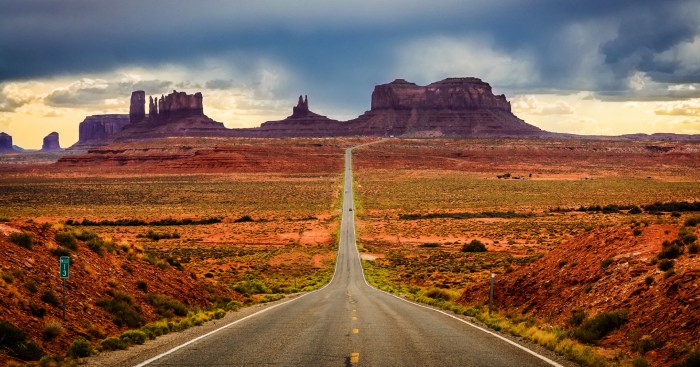
Historic landmarks play a crucial role in enhancing the appeal of scenic routes by adding depth, cultural significance, and a sense of connection to the past. These landmarks often serve as points of interest, attracting tourists and history enthusiasts alike.
Significance of Historic Landmarks
Historic landmarks along scenic routes serve as tangible reminders of the past, offering insights into the history, architecture, and culture of a particular region. They provide a unique opportunity for visitors to learn about the heritage and traditions that have shaped the area over time.
Examples of Famous Historic Landmarks
- The Grand Canyon: Located along the historic Route 66 in the United States, the Grand Canyon is a natural wonder and a significant landmark that draws millions of visitors each year.
- Machu Picchu: Situated along the Inca Trail in Peru, Machu Picchu is an ancient archaeological site that showcases the ingenuity and architectural prowess of the Inca civilization.
- The Great Wall of China: Running along the picturesque landscapes of China, the Great Wall is a monumental historic landmark that symbolizes the country’s rich history and cultural heritage.
Preservation Efforts for Historic Landmarks
Preserving historic landmarks along scenic routes requires a collaborative effort involving government agencies, local communities, and preservation organizations. Conservation measures such as regular maintenance, restoration projects, and educational programs are essential to protect these valuable cultural assets for future generations to enjoy.
INTERACTIVE EXPERIENCES
When exploring scenic routes with historic landmarks, travelers have the opportunity to engage in interactive experiences that bring history to life. These experiences not only educate visitors but also create memorable moments during their journey.
Interactive Guided Tours
Many historic landmarks along scenic routes offer interactive guided tours led by knowledgeable experts. Visitors can learn interesting facts, stories, and even participate in hands-on activities that provide a deeper understanding of the site’s significance.
Augmented Reality Experiences
Some historic landmarks have embraced technology by incorporating augmented reality features into the visitor experience. Through AR apps on smartphones or provided devices, travelers can see virtual reconstructions, historical images, and interactive elements overlaid on the physical site, enhancing their understanding and engagement.
Interactive Exhibits and Workshops
At certain historic sites, interactive exhibits and workshops are available to visitors, allowing them to interact with historical artifacts, try traditional crafts, or participate in reenactments. These hands-on activities offer a unique way to connect with the past and gain a more immersive experience.
LOCAL CULTURE AND HERITAGE
Local culture and heritage play a significant role in the preservation and showcasing of historic landmarks along scenic routes. These landmarks often serve as a reflection of the traditions, values, and practices of the communities that have inhabited the area for generations.Visitors to historic landmarks along scenic routes have a direct impact on the local communities. They bring economic opportunities through tourism, which can support local businesses and help in the conservation efforts of these landmarks.
However, an influx of tourists can also lead to challenges such as overcrowding, increased waste, and potential damage to the sites if not managed sustainably.Initiatives promoting sustainable tourism while celebrating local culture along scenic routes are crucial for maintaining the balance between preservation and visitor experience. These initiatives may include community-led tourism projects, educational programs on the history and significance of the landmarks, and responsible travel practices that respect the local environment and traditions.
Initiatives for Sustainable Tourism
- Implementing carrying capacity limits to manage visitor numbers and reduce environmental impact.
- Engaging local communities in tourism planning and decision-making processes to ensure their cultural heritage is respected.
- Offering authentic cultural experiences, such as traditional music performances or craft demonstrations, to visitors.
- Collaborating with local schools and organizations to promote awareness of the importance of preserving local heritage.
As we conclude our exploration of Scenic routes with historic landmarks, we are left with a deep appreciation for the seamless blend of nature, history, and culture that these routes offer to visitors, leaving an indelible mark on their memories.
Expert Answers
What makes scenic routes appealing to travelers?
Scenic routes offer breathtaking views of natural landscapes, making the journey itself a memorable experience for travelers.
How do historic landmarks enhance the appeal of scenic routes?
Historic landmarks add depth and cultural significance to scenic routes, enriching the overall travel experience for visitors.
What are some examples of famous historic landmarks along scenic routes?
Examples include the Great Wall of China along the Silk Road and the Acropolis in Greece along scenic coastal routes.
How can travelers interact with historic landmarks along scenic routes?
Travelers can engage in guided tours, cultural events, and immersive experiences to interact with historic landmarks along scenic routes.
What is the impact of visitors on local communities around historic landmarks?
Visitors can positively contribute to local economies through tourism, but there can also be challenges such as overtourism and environmental impact.


